10 Signs You Need a Smartwatch (Even If You Think You Don't)
Many people who end up loving their smartwatch were sceptical before buying one. "I don't need to check my wrist for notifications." "I already have a phone." "I'm not a fitness person." These are common objections, and they're all reasonable. But for many people the daily convenience of having notifications and wellness data on their wrist turns out to be more useful than expected.
Here are ten signs that a smartwatch might genuinely improve your daily life, along with the COLMI models that fit each need.
1. You Miss Calls and Messages When Your Phone Is in Another Room
This is one of the most practical reasons people buy a smartwatch. Your phone is charging in the bedroom, sitting on the kitchen counter or in your jacket pocket at the gym, and you miss a call from your partner, a message from work or a delivery notification.
A smartwatch mirrors notifications to your wrist via Bluetooth. When something arrives on your phone, you feel a gentle vibration and see a preview on the watch. You can see who's calling, read message previews and decide whether to respond, all without picking up your phone.
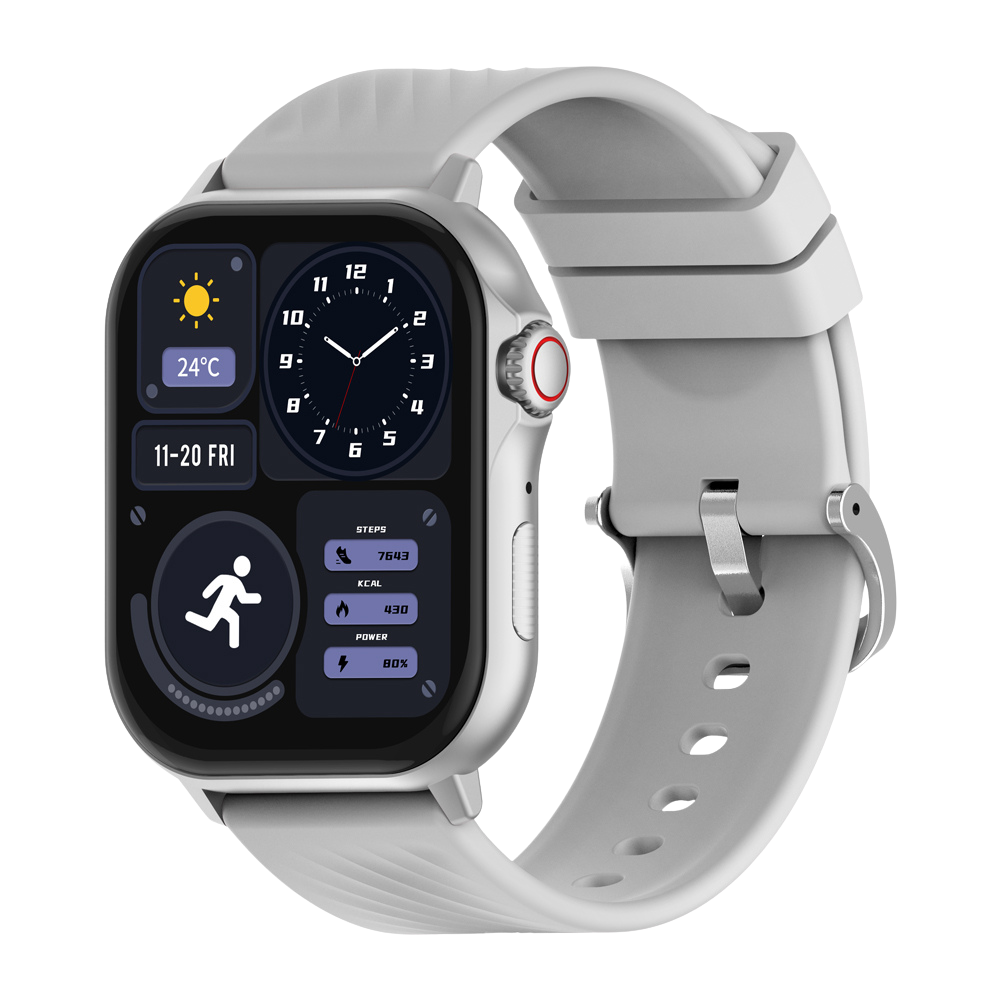
Many COLMI watches, including models such as the P71, P82 and C8 Max, go one step further with Bluetooth calling: you can answer calls from your wrist via a built-in speaker and microphone while your phone is connected nearby. Check each product page to confirm calling support on the model you're considering.
2. You Have No Idea What Your Resting Heart Rate Actually Is
Most people have had their heart rate checked at a GP appointment but have no continuous picture of it through the day. Resting heart rate is a useful general wellness indicator: it tends to fall as cardiovascular fitness improves, and it can be affected by stress, poor sleep, alcohol or feeling unwell.
A smartwatch can measure your heart rate throughout the day and store the data so you can review trends in the companion app. After a few weeks of wearing it, you'll have a personal baseline and can start noticing patterns, such as your resting heart rate gradually decreasing as your fitness improves, which can be very motivating. If you notice readings that concern you, speak to your GP rather than relying on the watch.
3. You're Curious About Your Sleep Quality
How many hours did you actually sleep last night? How much of it was deep sleep versus light, fragmented rest? Most people don't know, and without some data it's hard to begin improving.
Modern smartwatches use a combination of movement detection and heart rate monitoring to estimate sleep stages. Wear it to bed, and the next morning you'll see an estimate of your sleep duration, stages and interruptions. Over time this can help you spot what seems to affect your sleep, such as alcohol, late meals, an inconsistent bedtime, caffeine timing or stress. Keep in mind these are estimates, not a clinical sleep study.
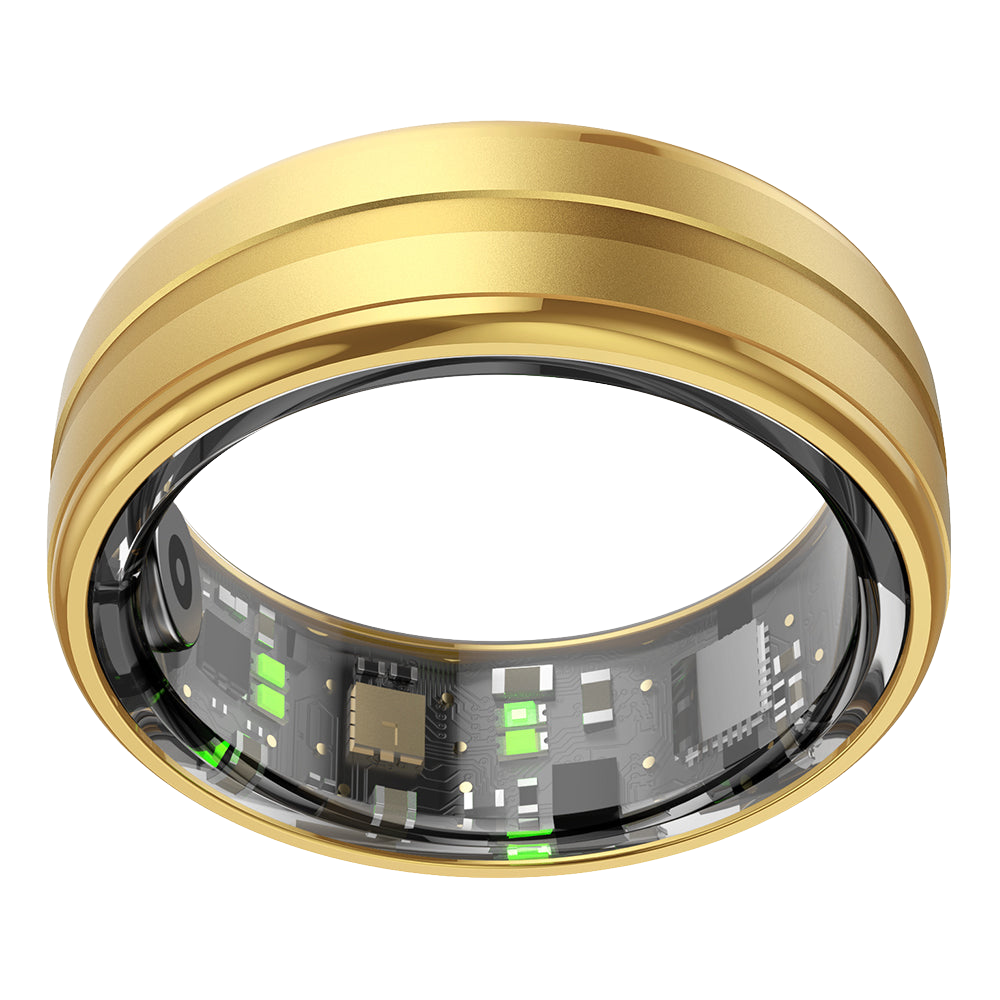
If sleep tracking is your main interest, COLMI smart rings are worth considering: many people find a ring more comfortable to wear overnight than a watch. The COLMI R07 is designed for day-and-night wear with long battery life, so you don't need to charge it often.
4. You're Trying to Be More Active But Don't Know Where to Start
Having a record of your daily activity can change your relationship with movement. Seeing that you've only taken 2,300 steps by 3pm is a clearer prompt to go for a short walk than simply feeling you've "been fairly sedentary".
COLMI smartwatches and rings track daily steps, estimated calorie burn and distance automatically. You can set a daily step goal in the companion app (for example COLMI Fit, Da Fit or FitCloudPro for watches, depending on the model, and QRing for the rings; each product page lists the right app), and many watches can remind you if you've been sitting too long. Over weeks and months, the trend in the app shows your progress.
Your step goal doesn't have to be 10,000 steps a day. Research suggests health benefits start at lower levels, and that increasing your daily activity from wherever you are is worthwhile. Start where you are, not where you think you should be.
5. You're Starting to Exercise and Want to Train Smarter
Beginning a new fitness routine is one of the most common reasons people buy their first smartwatch. When you start running, cycling or going to the gym, heart rate monitoring turns a vague workout into a session with measurable effort levels.
Many people use heart rate zones to guide training intensity. Lower zones (roughly 60–70% of maximum heart rate) are commonly used for easy, aerobic base-building, while higher zones are used for harder intervals. With your real-time heart rate on your wrist, you can keep an eye on effort rather than guessing.
COLMI smartwatches such as the P80, P81, P82 and P86 include a range of sports modes covering common activities; see each product page for the full list. The P82 also has built-in GPS, so runners and cyclists can record route, distance and pace during outdoor activities.
6. You Keep Forgetting to Drink Water or Take Breaks
It's easy to sit at a computer for hours without moving, forget to drink water or work through lunch. Over time, long periods of sitting are not good for general health and wellbeing.
Many smartwatches can send reminders to stand up and move, and many COLMI watches include a sedentary reminder that vibrates if you haven't moved for a set period. A gentle nudge on your wrist can be easier to act on than relying on willpower.
Many COLMI models also include a guided breathing feature that walks you through a short session of slow, paced breathing. Many people find this a helpful way to pause and relax during a busy day.
7. You Worry About Your Health But Don't Go to the GP Enough
A smartwatch won't replace your GP, and nothing in this article is medical advice. COLMI watches and rings are wellness devices, not medical devices, and they can't diagnose or treat any condition. What they can do is give you a record of general trends.
If you notice a sustained change in your readings, such as resting heart rate, blood oxygen (SpO2) estimates or sleep patterns over several weeks, that can be a useful thing to mention to your GP alongside how you're feeling. Your history in the companion app gives you something concrete to discuss.
SpO2 readings from wrist and finger wearables are estimates and can be affected by fit, movement and skin temperature. If you feel unwell or are worried about your breathing, contact your GP or NHS 111, or call 999 in an emergency, whatever your device shows.
8. You Want to Run, Cycle, or Hike Without Carrying Your Phone
Many runners, cyclists and hikers find carrying their phone during workouts inconvenient. You want to focus on the activity, not manage your pockets.
A smartwatch with built-in GPS helps here. The COLMI P82 and V76 GPS both include built-in GPS to track your route, distance and pace. Your workout is recorded on the watch and synced to the companion app when you reconnect to your phone.
Bear in mind that notifications and Bluetooth calling need your phone within Bluetooth range, so if safety contact matters to you on solo outings, it's still sensible to carry your phone.
9. You Have a Stressful Job and Want to Keep an Eye on Stress
Stress can build up gradually through weeks of busy days, short sleep and little time to recover, and it's not always easy to notice in yourself.
Many COLMI smartwatches and rings offer HRV-based stress estimates. These can give you a general sense of how your body is responding day to day, and watching the trend alongside your sleep data may prompt you to build in more rest. They are wellness indicators, not a diagnosis; if you're struggling with stress or burnout, talk to your GP.
Breathing exercises are a simple, widely recommended relaxation technique, and slow, paced breathing is something many people find calming during stressful moments.
10. You Keep Losing Your Phone
It sounds trivial, but the "find my phone" feature on many COLMI smartwatches is a small convenience you'll use more than you'd think. When your phone is down the back of the sofa, a tap on your watch makes your phone ring.
Your watch can also show when it has lost its Bluetooth connection to your phone, which can help you notice if you've walked away and left your phone behind at a cafe, on a train or at a friend's house.
Which COLMI Watch Addresses Your Specific Needs?
Not every smartwatch is right for every use case. Here's a quick guide matching the scenarios above to COLMI options:
- Missing calls and notifications: Any COLMI smartwatch for notifications; many models, including the P71, P82 and C8 Max, add Bluetooth calling
- Heart rate monitoring: Any COLMI watch or ring
- Sleep tracking: COLMI smart rings (R07, R09, R10) for overnight comfort; watches work too
- Daily activity motivation: Any COLMI watch; the C8 Max is a straightforward option
- Exercise and training: P80, P81, P82 or P86 for a wide range of sports modes
- Sedentary reminders and stress: Available on many COLMI models; check the product page
- Everyday wellness trends: Smart rings are comfortable for 24/7 wear
- Phone-free running/cycling/hiking: P82 or V76 GPS for built-in GPS
- Stress awareness: COLMI R-series rings for comfortable overnight wear; any watch for daytime
- Find my phone: Available on many COLMI smartwatches
How Much Should You Spend?
The honest answer is: start with less than you think you need. An affordable model like the COLMI C8 Max worn every day for a few months will tell you far more about which features you actually use than any amount of research. If you find sleep tracking is the thing you check every morning, consider a COLMI smart ring for overnight comfort. If you're training outdoors regularly, step up to a GPS model like the P82. See each product page for current prices.
We deliver to the UK in 5–7 business days and to most other countries in 1–2 weeks. Browse the full range, and if you have any questions, email us at hello@colmi.store.